

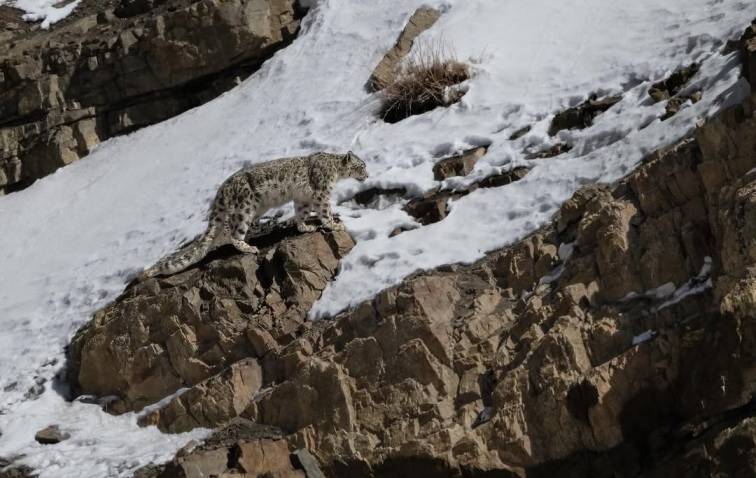
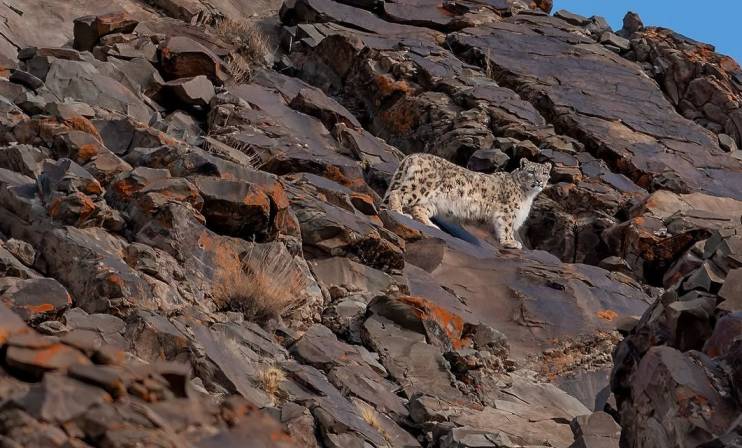
The snow leopard is often called the “Ghost of the Himalayas” because of its mysterious presence and extraordinary ability to remain unseen in vast mountain landscapes. Perfectly adapted to survive in the harsh high-altitude environment of Ladakh and the Trans-Himalayan region, this elusive predator blends seamlessly into rocky cliffs and snow-covered slopes. With its thick fur, long tail for balance, and powerful limbs designed for steep terrain, the snow leopard is a true symbol of wilderness survival. Spotting one in its natural habitat is considered one of the rarest and most rewarding wildlife experiences in the world, attracting explorers, photographers, and conservation enthusiasts to the remote Himalayan frontiers.
12 Days Snow Leopard Tour in Leh Ladakh – Expedition Itinerary from Delhi
This carefully designed snow leopard expedition takes travelers deep into Ladakh’s remote Himalayan wilderness, combining gradual acclimatization, expert-led wildlife tracking, and immersive cultural experiences. Starting from Delhi, the journey allows guests to adapt comfortably to high altitude conditions before entering the snow leopard habitat of Hemis National Park.
Day 1: Arrival in Delhi
Arrive in Delhi, India’s vibrant capital city, where your expedition journey begins. Upon arrival, you will be assisted with hotel transfer and briefing about the upcoming high-altitude wildlife expedition. The day is free for rest after international travel or optional exploration of Delhi’s historic landmarks and local markets. Overnight stay in Delhi.
Day 2: Fly from Delhi to Leh (3,500 meters)
Take an early morning flight to Leh, offering spectacular aerial views of the Himalayan mountain ranges. Upon arrival in Leh, guests are advised to rest and allow the body to adjust to the high altitude environment. Avoid strenuous activity and stay hydrated throughout the day. The calm pace of the first day in Leh is essential for safe acclimatization. Overnight stay in Leh.
Day 3: Acclimatization & Cultural Exploration in Leh
Continue acclimatization with a relaxed day exploring Ladakh’s cultural highlights. Visit historic monasteries such as Shey, Thiksey, or Hemis Monastery, which provide insight into Ladakh’s Tibetan Buddhist heritage. This gradual activity helps prepare travelers physically and mentally for upcoming snow leopard tracking expeditions. Overnight stay in Leh.
Day 4: Drive to Snow Leopard Tracking Base – Rumbak / Hemis Region
After breakfast, drive towards the snow leopard tracking base located within the Hemis National Park landscape, typically around Rumbak Valley or nearby high-altitude villages. The scenic drive passes through dramatic Himalayan terrain and frozen river valleys. Upon arrival, meet local trackers and expedition staff who will brief guests about wildlife movement patterns and tracking techniques. Overnight stay in homestay or expedition lodge.
Day 5: Snow Leopard Tracking Expedition
Begin early morning wildlife tracking accompanied by experienced local trackers and naturalists. Guests spend the day scanning mountain ridges and valleys using high-powered spotting scopes. Trackers interpret pugmarks, prey movement, and territorial signs to locate snow leopards. Return to the lodge or homestay in the evening for warm meals and discussion of wildlife observations.
Day 6: Full Day Snow Leopard Tracking
Continue exploration of different valleys and ridgelines within Hemis National Park. The tracking route may vary daily depending on recent wildlife movement patterns. Guests often encounter blue sheep, ibex, foxes, and Himalayan bird species during tracking walks. The expedition atmosphere emphasizes patience, observation, and connection with Ladakh’s wilderness.
Day 7: Wildlife Tracking & Himalayan Exploration
Spend another day following wildlife activity zones guided by local trackers. Each day offers a new tracking experience as teams explore different slopes and observation points. The dramatic snow-covered Himalayan landscape provides exceptional opportunities for wildlife photography and nature observation.
Day 8: Ongoing Snow Leopard Tracking & Local Cultural Experiences
Continue snow leopard tracking while also experiencing local village life. Guests may interact with Ladakhi families, learn about winter lifestyle in remote Himalayan settlements, and understand community-led conservation programs that support snow leopard protection. Evening wildlife review sessions with the expedition team enhance educational value.
Day 9: Final Wildlife Tracking Day
The final full day in snow leopard territory offers additional opportunities to explore nearby valleys and observation points. Trackers focus on areas where recent wildlife signs have been reported, maximizing sighting possibilities. Guests often reflect on the expedition journey while enjoying the peaceful Himalayan wilderness.
Day 10: Return to Leh
After breakfast, drive back to Leh. The return journey offers time to relax after the expedition and enjoy the comfort of town facilities. The evening is free to explore Leh market, local cafes, or monasteries. Overnight stay in Leh.
Day 11: Fly from Leh to Delhi
Take a morning flight back to Delhi. Upon arrival, transfer to the hotel. The remainder of the day is free for leisure, souvenir shopping, or optional sightseeing in Delhi. Overnight stay in Delhi.
Day 12: Departure from Delhi
After breakfast, transfer to the international airport for onward journey, concluding your snow leopard expedition in Ladakh with unforgettable Himalayan wildlife memories.
✅ Inclusions
Accommodation Throughout the Expedition
Comfortable hotel stays in Delhi and Leh, along with carefully selected homestays or expedition lodges in snow leopard tracking regions, offering warm hospitality and authentic Himalayan experience.
All Meals During Expedition in Ladakh
Daily breakfast and Dinner is Included. And from Day4 to Day 9 Nutritious breakfast, lunch, and dinner during the wildlife tracking portion of the tour, prepared to suit high-altitude travel requirements. Meals in remote villages are freshly prepared by local hosts, providing a cultural culinary experience.
Airport Transfers & Ground Transportation
All required airport transfers in Delhi and Leh, along with private vehicle transportation for monastery visits, acclimatization drives, and transfers between Leh and snow leopard tracking base.
Expert Wildlife Guides & Local Trackers
Professional naturalists and experienced Ladakhi trackers who possess deep knowledge of snow leopard movement patterns, terrain tracking techniques, and wildlife behavior interpretation.
Permits & National Park Entry Fees
All required permits for visiting snow leopard tracking zones within Hemis National Park and surrounding conservation areas.
Support Staff & Expedition Coordination
On-ground expedition management, logistical support, and assistance throughout the wildlife tracking journey.
Domestic Flight Tickets (Delhi – Leh – Delhi)
Confirmed economy class flight tickets for Day 2 (Delhi to Leh) and Day 11 (Leh to Delhi) are included as part of the expedition package.
First Aid Support & Oxygen Cylinders
Basic first aid kits are available during the expedition along with emergency oxygen cylinders to support high-altitude travel conditions and provide additional comfort during the wildlife tracking journey.
❌ Exclusions
International Flights
Airfare for travel between the traveler’s home destination and India (Delhi) is not included.
Visa & Travel Insurance
Indian visa charges and comprehensive travel insurance covering high-altitude travel, medical evacuation, and trip interruptions.
Personal Expenses
Laundry, shopping, beverages, phone usage, internet services, and any personal purchases during the expedition.
Additional Meals in Delhi & Leh
Meals outside the expedition tracking days, especially lunch and dinner in Delhi and leisure dining in Leh town, unless mentioned in itinerary.
Photography & Videography Equipment
Personal camera gear, lenses, batteries, and accessories required for wildlife photography.
Medical Expenses & Emergency Evacuation
Any medical treatments, oxygen support, evacuation costs, or hospitalization expenses during the expedition.
Unforeseen Circumstances
Any additional expenses arising from weather disruptions, flight delays, natural events, or government restrictions beyond operator control.
Anything Not Specifically Mentioned in Inclusions
Any services, activities, or expenses not clearly listed in the Cost Inclusions section will be treated as exclusions.
Why Ladakh is Famous for Snow Leopard Tours
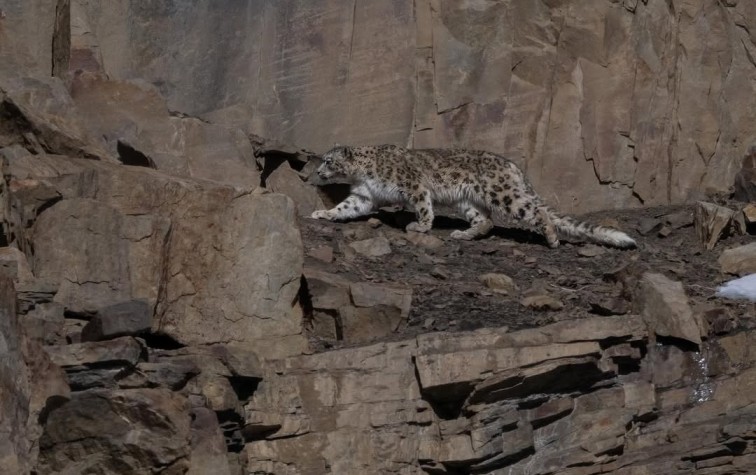
Leh Ladakh has earned global recognition as one of the most reliable destinations for snow leopard tours, thanks to its unique high-altitude geography, thriving wildlife ecosystem, and decades of successful conservation efforts. At the heart of Ladakh’s snow leopard territory lies Hemis National Park, widely considered one of the most important habitats for these elusive big cats. The park’s vast rugged mountain terrain, steep valleys, and abundant prey population create ideal conditions for snow leopard survival and tracking. Wildlife researchers and photographers from across the world frequently visit Hemis because it supports one of the healthiest snow leopard populations in India, making it a cornerstone of Himalayan wildlife exploration.
Within the Hemis landscape, regions such as Rumbak Valley and its surrounding high-altitude zones are particularly renowned for snow leopard tracking expeditions. These valleys provide a perfect balance of accessibility and wilderness, allowing experienced trackers to monitor wildlife movement patterns effectively. The presence of prey species like blue sheep and Himalayan ibex naturally attracts snow leopards to these areas, especially during the winter season when heavy snowfall pushes wildlife closer to valley slopes. This natural seasonal behavior significantly improves the chances of snow leopard sightings compared to many other Himalayan regions.
Another key factor behind Ladakh’s reputation is its remarkable Trans Himalayan ecosystem, a cold desert environment characterized by dramatic mountain ranges, frozen river valleys, and open alpine terrain. Unlike dense forest habitats where wildlife can remain hidden, Ladakh’s vast open landscapes allow trackers to scan large mountain faces from distance, improving visibility and tracking accuracy. This ecosystem supports a delicate balance of predator and prey species, making Ladakh one of the most scientifically significant wildlife zones in the Himalayas.
Ladakh’s global status as a snow leopard destination has also been strengthened by strong research and conservation success stories. Over the years, collaborative programs involving wildlife researchers, local communities, and conservation organizations have played a major role in protecting snow leopard habitats while promoting responsible wildlife tourism. Community based homestay programs, trained local trackers, and sustainable tourism initiatives have not only improved sighting success but also helped create economic incentives for local residents to protect wildlife rather than view it as a threat. This conservation-led tourism model has positioned Leh Ladakh as one of the world’s most respected destinations for ethical snow leopard expeditions.
Best Places for Snow Leopard Tour in Leh Ladakh
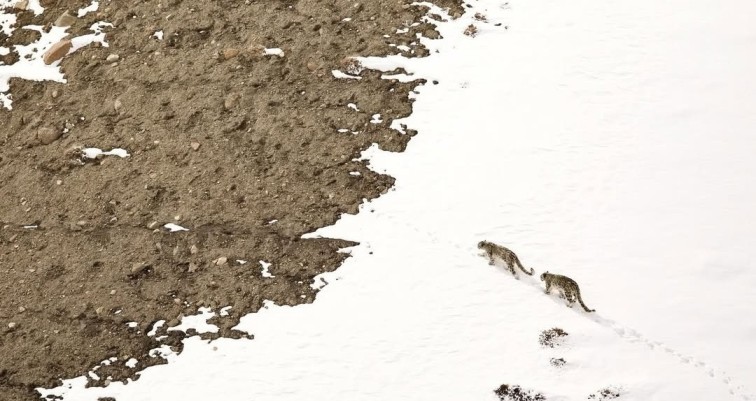
Leh Ladakh offers several remarkable locations where snow leopard tracking expeditions are conducted, each providing a unique combination of terrain, wildlife density, and expedition experience. The region’s vast Trans-Himalayan landscape creates ideal conditions for observing these elusive predators in their natural habitat, attracting wildlife photographers, researchers, and adventure travelers from around the world.
Hemis National Park
Hemis National Park is widely regarded as India’s most renowned snow leopard habitat and one of the most significant wildlife conservation areas in the entire Himalayan region. Covering a massive mountainous landscape, Hemis provides ideal ecological conditions that support a stable population of snow leopards along with their primary prey species. The park’s steep valleys, high ridgelines, and remote alpine terrain allow snow leopards to hunt and move across vast territories while remaining naturally protected from human disturbance.
Over the years, Hemis has gained international recognition as a leading snow leopard tracking destination, drawing wildlife researchers, documentary filmmakers, and conservation teams from across the globe. The region supports a healthy prey base, including blue sheep and Himalayan ibex, which naturally attracts snow leopards and increases the probability of sightings during winter expeditions. Its reputation as a global tracking hotspot makes Hemis National Park the heart of Ladakh’s snow leopard tourism.
Rumbak Valley
Located within the Hemis National Park region, Rumbak Valley is one of the most popular and successful tracking bases for snow leopard expeditions in Ladakh. The valley offers a unique advantage by combining accessibility with rich wildlife movement corridors. Many snow leopard sightings have historically been recorded in this region, making it a preferred base for both first-time wildlife travelers and experienced photographers.
Rumbak’s scenic mountain landscape features dramatic ridgelines, open slopes, and traditional Ladakhi villages that serve as expedition hubs during winter. The presence of abundant prey species supports consistent predator activity, allowing local trackers to monitor snow leopard movements more effectively. The valley’s relatively compact terrain also allows guests to participate in tracking walks while enjoying breathtaking Himalayan scenery throughout the expedition.
Ulley & Sham Valley Region
The Ulley and Sham Valley region represents an emerging snow leopard tracking zone that is gradually gaining attention among wildlife enthusiasts seeking quieter and less crowded expedition experiences. Compared to more established locations, this region offers a sense of exclusivity and raw wilderness, making it particularly attractive for wildlife photographers looking for uninterrupted observation opportunities.
Ulley Valley is known for its strong conservation-driven homestay programs and close collaboration between local communities and wildlife tracking teams. The landscape here features expansive mountain slopes and open snowfields that provide excellent vantage points for spotting snow leopards and other Himalayan wildlife. The lower tourist density combined with remarkable scenic beauty makes the Ulley and Sham Valley region an exciting alternative destination for snow leopard expeditions in Ladakh.
Best Time for Snow Leopard Tours in Leh Ladakh
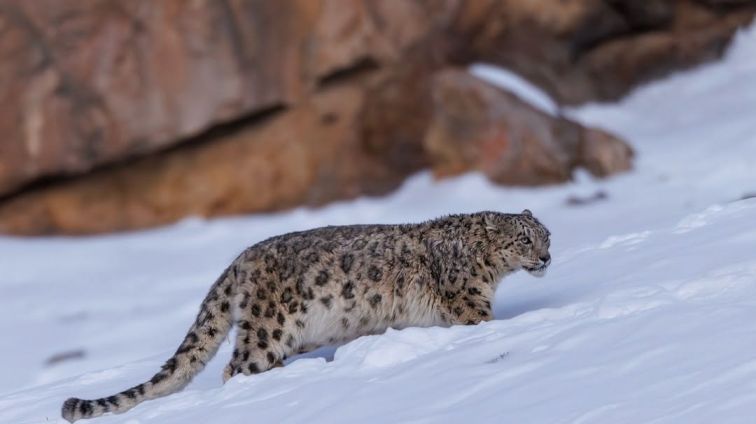
The success of a snow leopard expedition in Leh Ladakh depends greatly on seasonal wildlife movement and weather conditions. Winter is widely considered the most rewarding time for snow leopard tracking, as environmental changes naturally improve sighting opportunities across the high-altitude valleys of Ladakh.
The period from January to March is regarded as the peak season for snow leopard tours in Leh Ladakh. During these winter months, heavy snowfall at higher elevations encourages snow leopards to descend closer to valley slopes in search of prey such as blue sheep and Himalayan ibex. This seasonal migration significantly improves visibility and tracking possibilities, as wildlife activity becomes more concentrated in accessible observation zones. The snow-covered landscape also helps trackers identify animal movement through pugmarks, scrape marks, and prey trails, allowing expedition teams to monitor snow leopard territories more effectively. Additionally, the clear winter atmosphere often provides excellent long-distance visibility, which is crucial for scanning vast mountain faces during tracking sessions.
The shoulder season, typically covering December and early April, can also offer rewarding snow leopard tracking experiences, although conditions tend to be slightly more unpredictable. Early winter months may still provide good wildlife movement as snow begins to settle across the higher ridges, while early spring may bring occasional sightings as snow leopards gradually return to higher altitudes. Weather during these transitional months can vary, with changing snowfall patterns and fluctuating temperatures influencing tracking conditions. However, for travelers seeking quieter expedition environments with fewer visitors, shoulder season departures can still provide meaningful wildlife observation opportunities in Ladakh’s dramatic Himalayan landscape.
Wildlife You May See During Ladakh Snow Leopard Expeditions
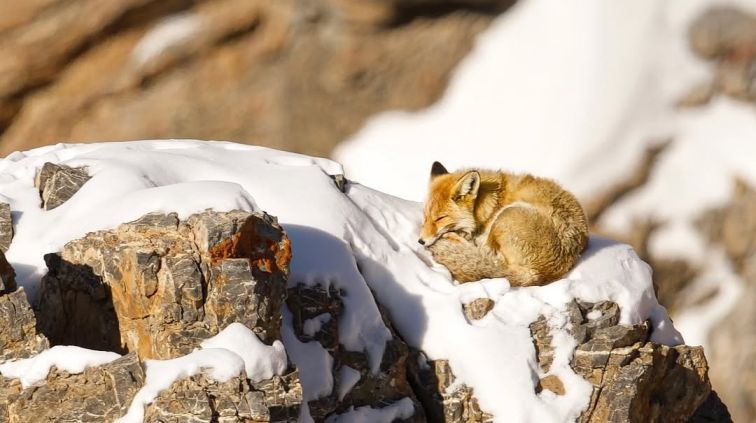
While snow leopard tracking remains the highlight of any Ladakh wildlife expedition, the Trans-Himalayan ecosystem supports a fascinating range of rare and resilient species that contribute to the region’s unique biodiversity. Observing these animals not only enhances the overall expedition experience but also provides valuable insight into the delicate ecological balance that sustains snow leopard populations.
One of the most commonly observed species during snow leopard tracking is the Blue Sheep, locally known as Bharal, which serves as the primary prey for snow leopards across Ladakh. These agile mountain herbivores are perfectly adapted to steep rocky slopes and high-altitude terrain, often seen grazing in herds along exposed ridgelines. Their presence is a strong indicator of snow leopard territory, and trackers frequently monitor Bharal movement patterns to anticipate predator activity. Maintaining a healthy blue sheep population is essential for sustaining the snow leopard food chain in the region.
Another remarkable species found in Ladakh’s rugged mountain landscape is the Himalayan Ibex, easily recognized by its impressive curved horns and ability to navigate vertical cliff faces with remarkable agility. Ibex play an important ecological role by supporting predator populations while also contributing to alpine vegetation control. Their dramatic presence against the snow-covered mountains makes them a favorite subject for wildlife photographers visiting Ladakh.
The Tibetan Wolf, one of the apex predators of the Trans-Himalayan region, is occasionally encountered during wildlife expeditions. Although less elusive than the snow leopard, Tibetan wolves are highly adaptable hunters that play a crucial role in maintaining prey population balance. Sightings of wolves often provide valuable insight into the region’s predator dynamics and overall ecosystem health.
Among smaller carnivores, the Red Fox is frequently spotted around valley slopes and village outskirts. Known for its intelligence and adaptability, the red fox thrives in Ladakh’s harsh environment by feeding on small mammals, birds, and leftover prey remains. As a mesopredator, it helps regulate smaller wildlife populations, contributing to the ecological balance of the region.
The skies above Ladakh’s dramatic valleys are dominated by powerful birds of prey such as the Golden Eagle, a majestic raptor known for its exceptional hunting skills and impressive wingspan. Golden eagles often soar across open mountain terrain searching for small mammals and young prey animals. Their presence reflects the richness of Ladakh’s high-altitude food web and adds another dimension to wildlife observation during snow leopard expeditions.
Another iconic high-altitude scavenger is the Lammergeier, also known as the Bearded Vulture, famous for its unique bone-dropping feeding behavior. Lammergeiers play a critical ecological role by recycling animal remains and preventing the spread of disease within fragile mountain ecosystems. Watching these large birds glide effortlessly across Himalayan valleys is a memorable highlight for many travelers.
Together, these species form a complex and interconnected ecosystem that supports the survival of snow leopards and preserves the natural balance of Ladakh’s wilderness. Snow leopard expeditions therefore offer not just the opportunity to track one elusive predator, but also a chance to witness the remarkable biodiversity of the Trans-Himalayan landscape.
Frequently Asked Questions – Snow Leopard Tour in Leh Ladakh
When is the ideal season for snow leopard expeditions in Leh Ladakh?
Snow leopard expeditions in Ladakh are most productive during the deep winter season, particularly between January to late March. During this time, intense cold and heavy snow at higher elevations encourage these elusive cats to move closer to lower mountain valleys where prey animals gather, making tracking efforts more effective. Early winter in December and the transition period in early spring can still offer opportunities to encounter snow leopards, but sightings during these months depend heavily on changing weather patterns, prey migration, and overall wildlife movement, which can be less predictable compared to peak winter tracking conditions.
Are snow leopard sightings guaranteed in Leh Ladakh?
Snow leopard sightings can never be guaranteed as these animals live in completely wild and remote mountain environments. However, Ladakh, especially areas around Hemis National Park and Rumbak Valley, is considered one of the best places in the world for snow leopard tracking. With experienced local trackers and carefully planned expeditions, the sighting success rate in Ladakh is among the highest globally.
How cold does it get during snow leopard expeditions?
Winter temperatures in Ladakh can range from -10°C to -25°C, especially during early morning tracking sessions. Proper winter clothing, layering, and expedition gear are essential for comfort during the tour.
Do I need prior trekking experience?
No technical trekking or mountaineering experience is required. Guests should have a moderate level of fitness and be comfortable walking for a few hours daily on uneven or snow-covered terrain. The expedition pace is designed to suit most travelers with basic outdoor fitness.
Is altitude sickness a concern in Leh Ladakh?
Ladakh is located at high altitude, with Leh situated at approximately 3,500 meters. Proper acclimatization is included in the itinerary to help travelers adapt gradually. Staying hydrated, avoiding strenuous activity initially, and following guide instructions helps reduce altitude-related discomfort.
Where do guests stay during the snow leopard expedition?
Guests typically stay in comfortable hotels in Leh and authentic homestays or expedition lodges in snow leopard tracking areas such as Rumbak or nearby villages. These accommodations provide warmth, local hospitality, and proximity to wildlife tracking zones.
What wildlife can be seen besides snow leopards?
Snow leopard expeditions often include sightings of other Himalayan wildlife such as blue sheep (bharal), Himalayan ibex, Tibetan wolf, red fox, golden eagle, and lammergeier. These species form an important part of Ladakh’s Trans-Himalayan ecosystem.
Is the snow leopard tour suitable for wildlife photography?
Yes, Ladakh is considered one of the world’s top destinations for snow leopard photography. The open mountain terrain allows long-distance wildlife observation, and experienced trackers help position guests for the best photography opportunities. Telephoto lenses are strongly recommended.
How many days are recommended for a snow leopard expedition?
Most snow leopard tours in Leh Ladakh range from 10 to 18 days, including acclimatization and multiple tracking days. Longer tracking durations generally improve wildlife sighting opportunities.
Can beginners join snow leopard tours?
Yes, beginners with moderate fitness and interest in wildlife can comfortably join snow leopard expeditions. The tours are designed to be accessible and guided by experienced trackers who assist guests throughout the expedition.
Do snow leopard tours support conservation?
Yes, many snow leopard expeditions directly contribute to conservation. Community-based tourism programs provide alternative income to local villagers, reducing human-wildlife conflict and encouraging habitat protection. Responsible tourism helps sustain long-term snow leopard conservation efforts.
Can snow leopard tours be customized?
Yes, private snow leopard expeditions can be customized based on photography focus, expedition duration or wildlife research interests.
What type of food is available during snow leopard tours?
Meals usually include a mix of Indian, Tibetan, and simple continental dishes. In homestays, travelers experience authentic Ladakhi cuisine prepared by local families, while expedition teams ensure warm and nutritious meals suitable for high-altitude conditions.
What should I carry for a Snow Leopard tour in Leh Ladakh?
Carry warm layered clothing, insulated jacket, thermal wear, waterproof gloves, sturdy trekking shoes, sunglasses, sunscreen, personal medicines, and binoculars or a camera for wildlife spotting.
Join Our Snow Leopard Tour in Leh Ladakh
Experience a once-in-a-lifetime Himalayan wildlife expedition and join us for a Snow Leopard tour in Leh Ladakh. Discover the breathtaking landscapes of Hemis National Park, track the elusive Ghost of the Himalayas with experienced local trackers, and immerse yourself in the rich culture of Ladakh’s remote mountain communities. Share your travel preferences in the enquiry form below and begin planning your unforgettable Snow Leopard expedition in Leh Ladakh with Spiti Adventure.
